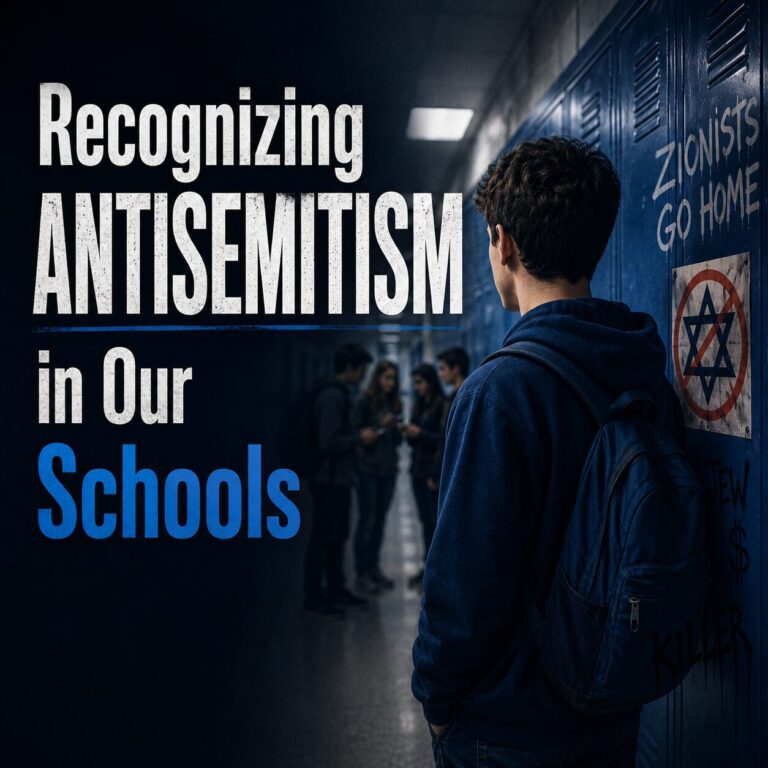

Teachers and educators, school administrators, counselors, and other education professionals working in public schools play a vital role in protecting every student’s safety, dignity, identity, and sense of belonging.
Antisemitism is not only a concern for Jewish students and families; it is a school-wide issue that affects the educational environment, community trust, and the responsibility of schools to remain welcoming, respectful, and free from hatred, harassment, bullying, and divisive political hostility.
For Jewish educators, this session provides the language, tools, and confidence to recognize and address antisemitism while supporting students and families who may feel vulnerable or isolated.
For non-Jewish educators, it builds the awareness and understanding needed to identify antisemitism, challenge common misconceptions, act as informed allies, and respond responsibly when concerns arise.

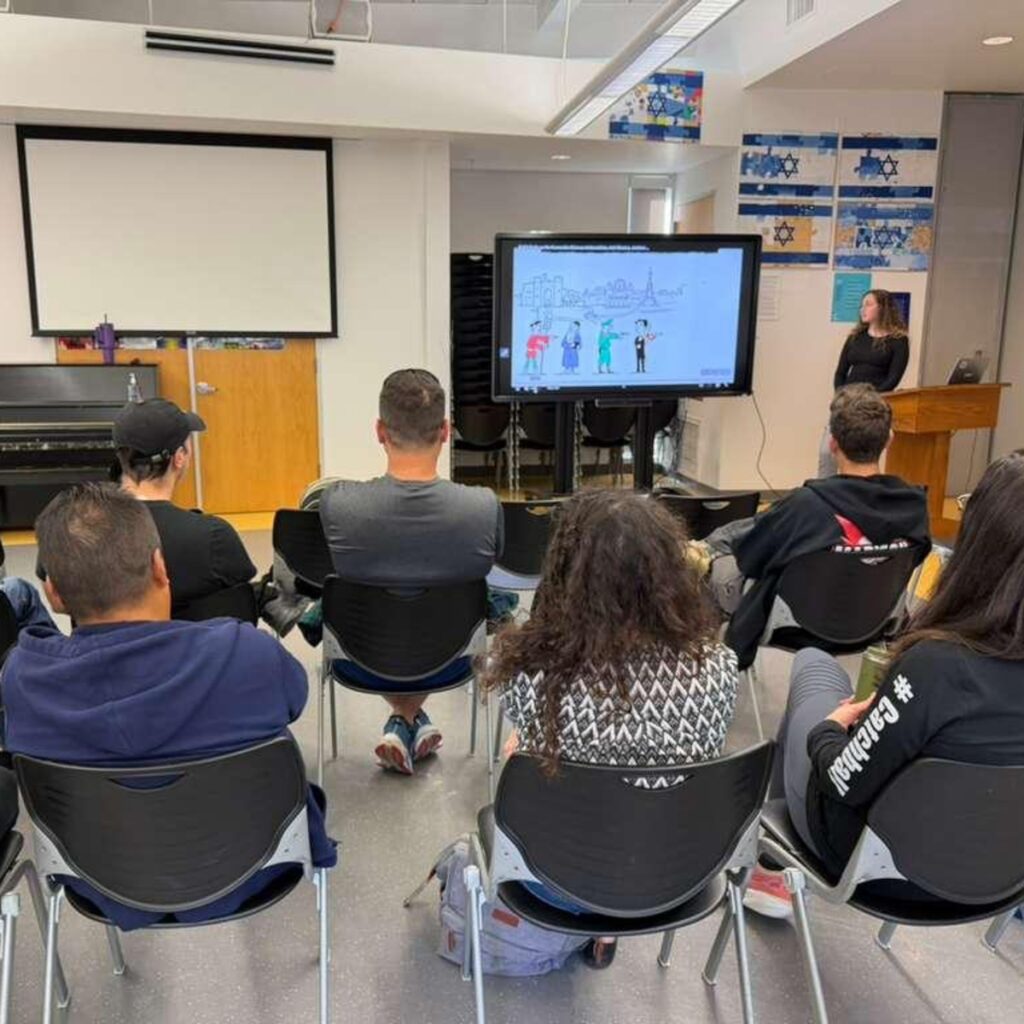
Teachers and Educators will gain a clearer understanding of contemporary antisemitism and how it may appear in school settings, along with practical tools to recognize warning signs, respond effectively to incidents, support affected students, and communicate with families and school leaders.
They will also develop strategies for addressing difficult and politically sensitive conversations while fostering a safe, respectful, and inclusive environment for every student.
Using antisemitism as a case study for understanding how prejudice, exclusion, and hostility toward minorities can develop in educational environments, this professional development session strengthens educators’ ability to promote a school culture grounded in safety, dignity, belonging, and mutual respect.